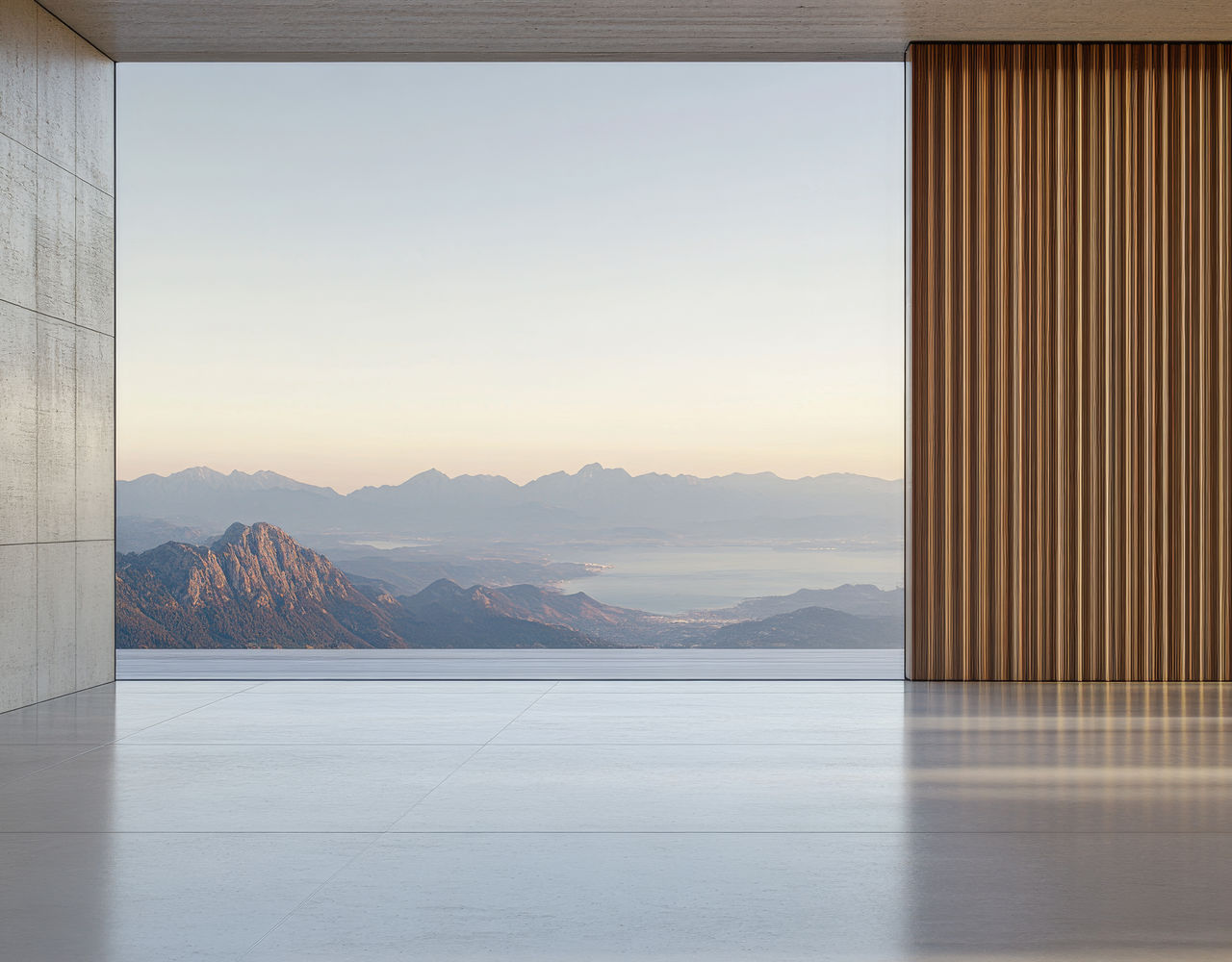
Minimal microsites are transforming how artists and designers present their work online. A single scroll can convey a complete visual identity, creating a focused and memorable first impression. By combining minimal design principles with a single-page structure, a microsite distills creative branding to its essence. For the visitor, the experience is clear, intentional, and uncluttered. For the designer, it is both an expression of craft and a strategic branding tool.
Why Minimal Microsites Work for Creative Branding
A minimal microsite distills your brand into its essence. Visitors encounter your name, visuals, and story in one continuous flow. This format encourages intentionality. By removing excessive navigation and redundant content, you give your work the stage it deserves.
From a design perspective, minimalism achieves three key effects. First, it creates clarity. A visitor should immediately understand what you do and how your brand feels. Second, it enforces focus. The absence of clutter means your strongest visuals and core message are the only elements competing for attention. Finally, it communicates confidence. A brand that does not rely on endless subpages signals self-assured design thinking.
Design scholars often emphasize that minimalism is not about emptiness, but about meaning. In a minimal microsite, every image, line of text, and block of color has a purpose. The site functions as a visual essay, guiding the viewer through a narrative without unnecessary interruptions.
Carrd: A Platform for Scholarly Minimal Design
Carrd has emerged as a preferred tool for artists and designers creating microsites because of its intuitive and visually oriented approach. The platform naturally supports minimal design through its clean templates and responsive layouts. Without touching a line of code, you can craft a site that feels curated and cohesive.
Key aspects of Carrd for design-focused branding include its flexibility with structure and its alignment with design fundamentals. Sections can be arranged to support a visual hierarchy, guiding the eye from headline to portfolio to call to action. Images remain central to the experience, framed by generous whitespace and restrained typography. Subtle animations can add a layer of polish without distracting from the core message.
A well-constructed Carrd microsite functions as more than a landing page. It operates as a digital business card, a creative portfolio, and an expression of brand identity. This synthesis is why minimal microsites have become a powerful tool for creative branding.
Minimal Design as a Branding Language
Minimal design has long been studied as a language of clarity and elegance. It operates on principles that are as relevant in digital spaces as they are in traditional print or architecture. For branding, minimalism communicates refinement and deliberateness. Every choice; color, typeface, spacing; contributes to how the audience perceives the brand.
Consider the visual strategies that make minimal design effective in microsites:
- A restrained color palette creates mood without overwhelming the work.
- Typography with clear hierarchy enhances readability and signals professionalism.
- Ample negative space draws attention to imagery and reinforces the importance of each element.
- A single linear scroll ensures the viewer absorbs the brand narrative in a deliberate order.
For branding, minimalism communicates refinement and deliberateness. Every choice; color, typeface, spacing; contributes to how the audience perceives the brand.
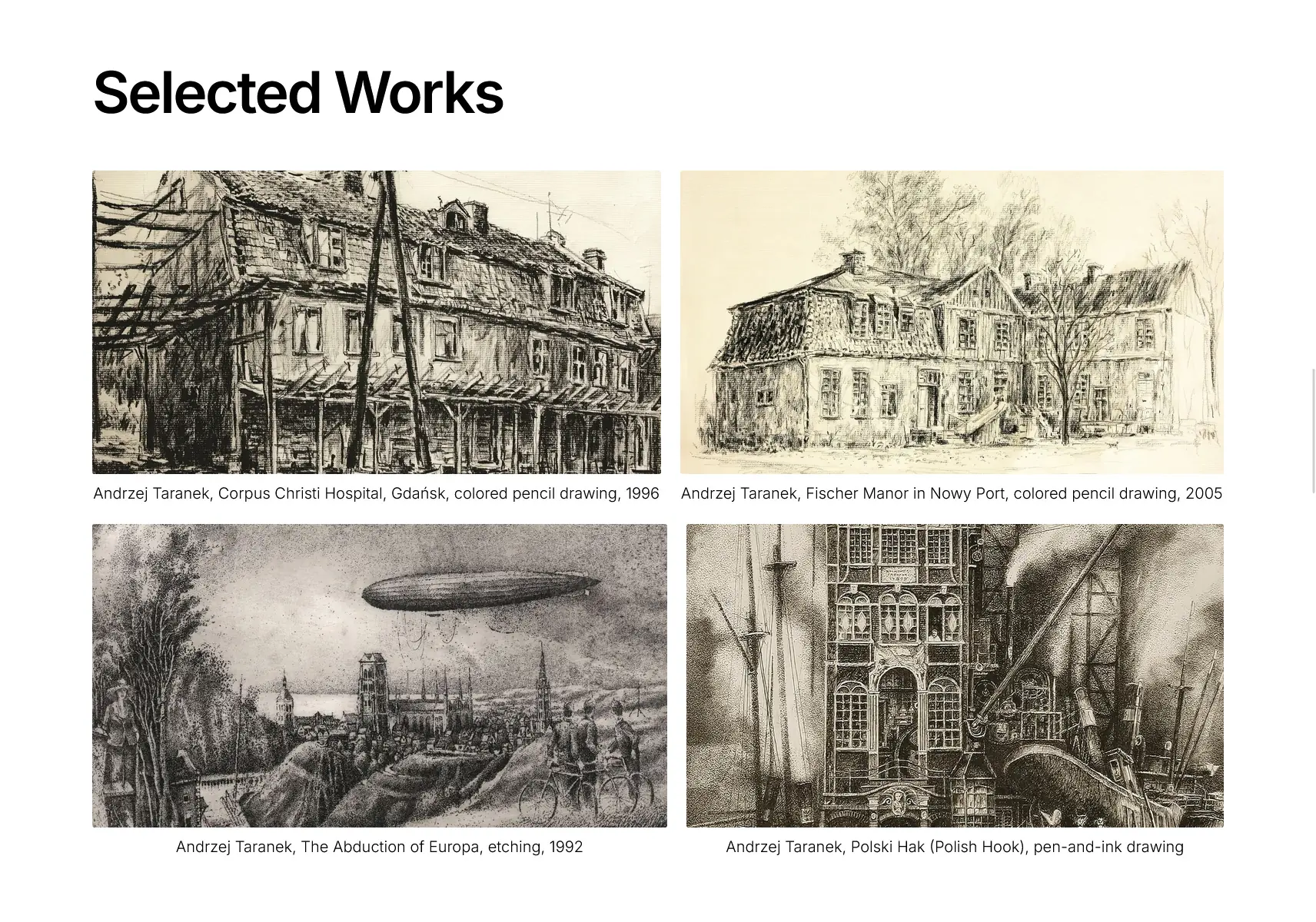
The microsite for A2 Media Outreach exemplifies this philosophy. The design is quiet and deliberate, using soft tones and subtle typography to mirror the brand’s aesthetic. The entire experience can be understood in seconds, leaving a strong and memorable impression. Another example is a conceptual portfolio website for a graphic artist and painter, built with Carrd. It features a white background, a bold painting at the top, a brief biography, selected works, and a single link to download press materials.
Creative SEO and Digital Presence
While the Art+Media+Design Journal emphasizes the design narrative, it is worth acknowledging that a well-structured microsite also contributes to digital visibility. By focusing on a single page, creatives can target specific keyword phrases, such as “creative branding” or “minimal design portfolio.” Image optimization; naming files with descriptive, brand-relevant terms; extends discoverability through visual search.
In the context of scholarly creative practice, this intertwining of design and discoverability reflects a larger principle: digital presence is part of modern branding. A microsite, small as it is, can become a bridge to larger platforms, driving attention to comprehensive portfolios or social channels without diluting the first impression.
Building and Sustaining a Minimal Microsite
Developing a microsite through Carrd involves a sequence that reflects both design discipline and branding logic:
- Define the purpose clearly: portfolio, campaign, or social hub.
- Select a minimal template that foregrounds imagery and short, declarative text.
- Apply your branding system consistently, including logo, color palette, and typography.
- Curate visuals with intent, ensuring that each image serves a narrative function.
- Introduce a clear call to action, guiding the visitor to contact, explore, or follow.
- Refine continuously, treating the microsite as a living document that evolves with your practice.
By treating microsite creation as a design exercise, rather than a purely functional task, you reinforce the credibility and strength of your brand. This approach aligns with the long tradition of design thinking: clarity, intentionality, and the harmonious integration of form and function.
A Unique Place in Creative Branding
Minimal microsites occupy a unique place in creative branding. They are at once artifacts of design and tools of communication. By leveraging Carrd’s capacity for elegant, responsive, and visual-first layouts, designers and artists can present their identity with precision and authority.
In the context of contemporary digital practice, this convergence of minimal design and focused branding reflects a larger trend: less truly becomes more when every element is purposeful.
For ongoing insights into creative branding, minimal design strategies, and the evolving dialogue between art and media, explore more articles on Art+Media+Design Journal.